Peak seasons can create both opportunities and challenges for international seafood buyers. As demand increases, securing the right seafood products, meeting specific requirements, and arranging shipments on time may become more difficult.
For seafood importers, wholesalers, and distributors, understanding the factors that affect seafood supply during peak seasons is essential for effective purchasing and inventory planning.
From raw material availability to processing capacity and international shipping schedules, several factors can influence whether an order can be fulfilled according to the buyer's requirements.
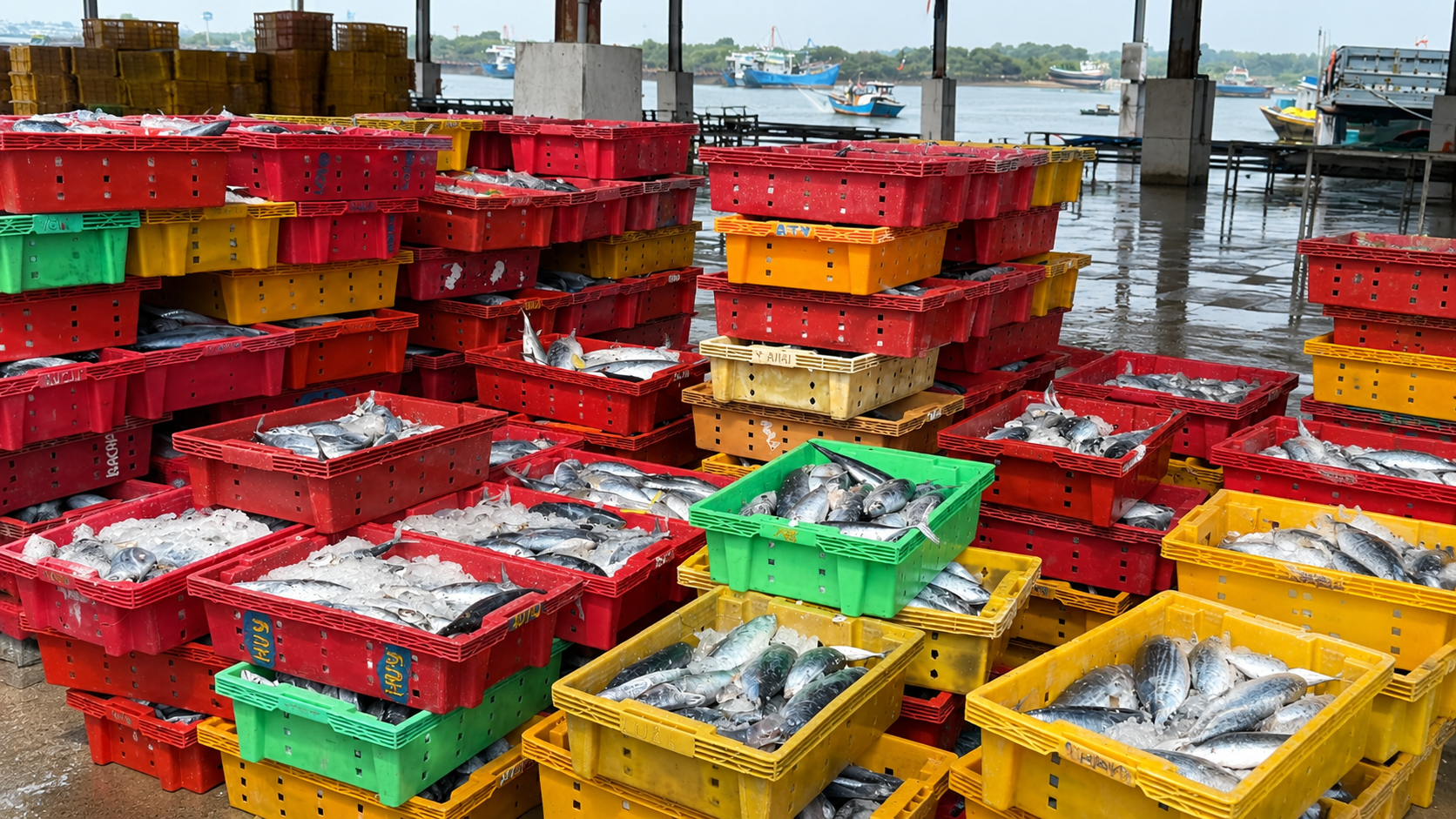
Raw material availability is one of the most important factors affecting seafood supply, particularly during periods of high demand.
For wild-caught seafood, supply volumes can vary depending on fishing seasons, weather conditions, catch volumes, and fisheries management regulations. These factors may affect the availability of marine fish and other wild-caught species.
For farmed seafood, production depends on stocking schedules, farming conditions, growth cycles, and harvesting periods. Products such as pangasius, tilapia, and farmed shrimp may be available throughout much of the year, but supply volumes and sizes can still fluctuate.
During peak purchasing periods, increased demand for certain species or sizes may further affect raw material availability.
What should seafood importers consider?
Buyers should discuss their expected order volumes, preferred product sizes, and target shipment periods with suppliers in advance.
For products with seasonal availability, exploring alternative sizes or suitable product options may provide additional sourcing flexibility.

Seafood processing capacity is another important consideration during peak seasons.
As order volumes increase, processing facilities may experience higher demand for production lines, freezing equipment, cold storage space, and labor.
Different products also require different processing arrangements. Whole round frozen fish, individually quick frozen (IQF) products, fillets, and other processed seafood products may involve different production steps and lead times.
Consequently, production schedules can become more difficult to accommodate when multiple buyers require shipments within similar periods.
What should seafood importers consider?
Before confirming an order, buyers should clarify:
Estimated production lead time
Required order quantity
Processing method and freezing requirements
Expected shipment date
Availability of the requested product specifications
Confirming these details early allows suppliers and processing partners to assess production arrangements before finalizing an order.
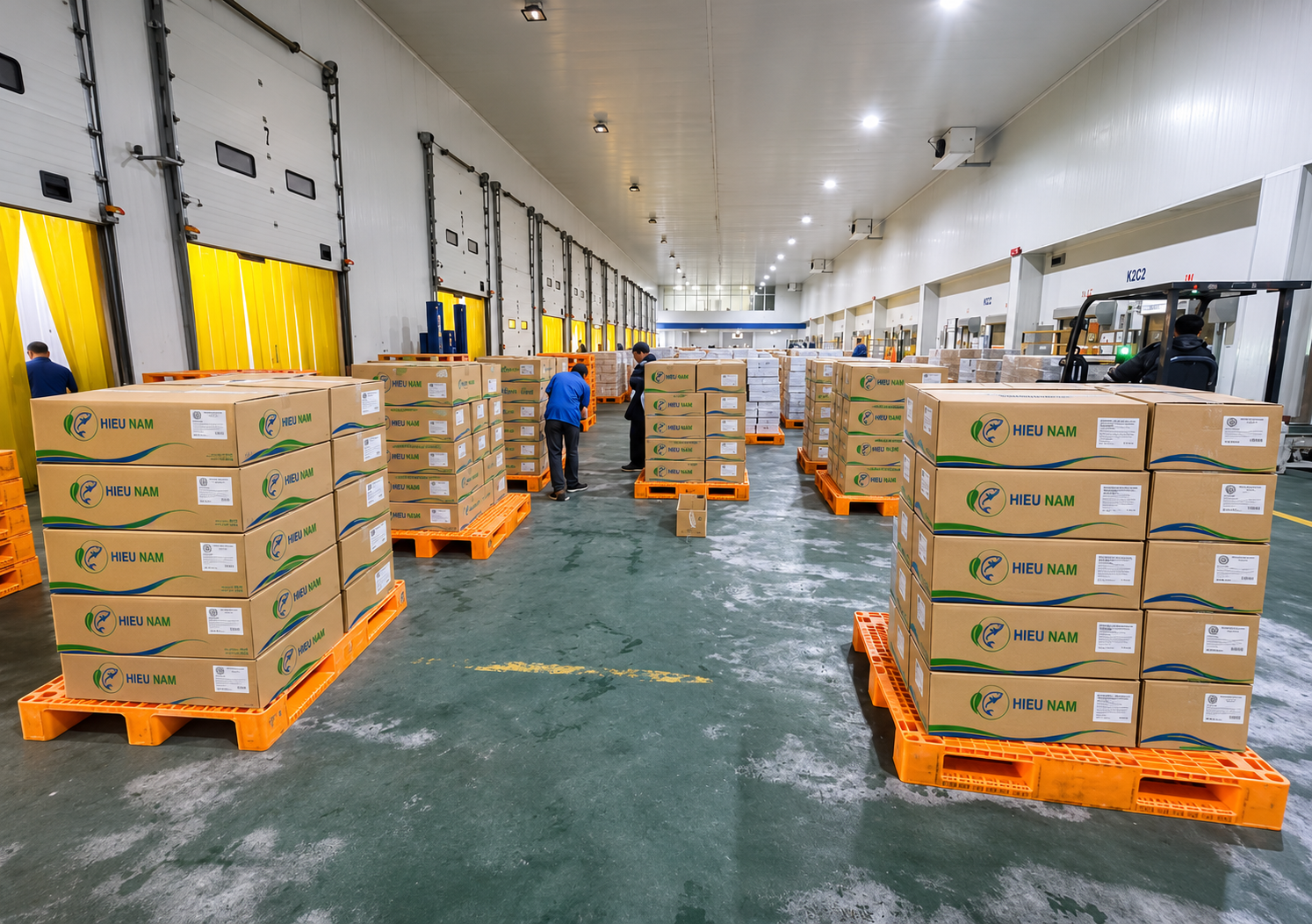
In international seafood trade, product availability does not always mean that the exact specifications requested by a buyer are immediately available.
Seafood importers often have detailed requirements based on their distribution channels, customers, and destination markets.
These requirements may include:
Product size: Individual fish weight, pieces per kilogram, or size grading
Processing form: Whole Round (WR), Headless and Gutted (H&G), fillets, or other forms
Freezing method: Individually Quick Frozen (IQF) or block frozen
Packaging: Bulk cartons, retail packs, or customized packing arrangements
Labeling: Product information, language, and destination-market requirements
For example, a buyer sourcing frozen marine fish may require a particular size range and carton weight. Even when the species is available, additional sourcing or processing arrangements may be necessary to meet those specifications.
Likewise, customized packaging and labeling may require additional preparation before production can proceed.
What should seafood importers consider?
Providing complete product specifications at the inquiry stage can help suppliers evaluate availability more accurately.
Whenever possible, buyers should finalize sizes, processing methods, packaging, and labeling requirements before production begins to reduce the risk of revisions and delays.

Even when seafood products are ready for shipment, international logistics can affect the final delivery schedule.
Frozen seafood exports depend on coordinated transportation and cold-chain arrangements to maintain the required storage conditions throughout transit.
During peak shipping periods, several logistics factors may affect shipment planning:
Availability of refrigerated containers (reefers)
Vessel schedules and available shipping space
Port congestion and handling capacity
Export documentation and customs procedures
Transshipment arrangements and potential schedule changes
These factors can influence the time between production completion, cargo loading, and arrival at the destination port.
For international seafood buyers, the estimated production completion date and the expected cargo arrival date are therefore two different milestones that should be considered separately.
What should seafood importers consider?
Buyers should coordinate shipment planning with their suppliers and freight partners before finalizing delivery expectations.
Confirming the destination port, preferred shipping period, and applicable trade terms can help both parties establish a more realistic shipment plan.
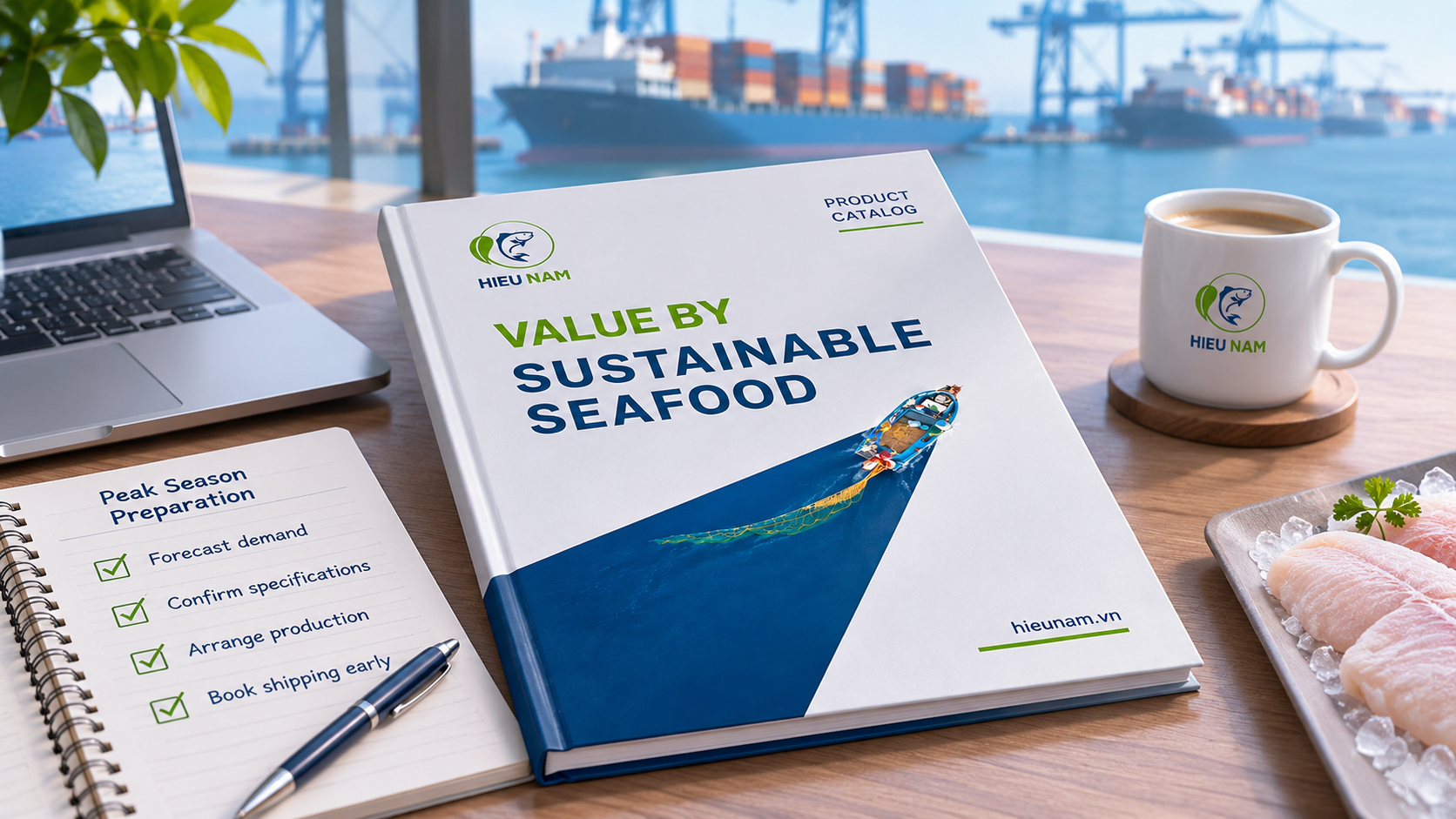
While seasonal supply fluctuations and logistics disruptions cannot always be avoided, early preparation can help seafood buyers manage purchasing requirements more effectively.
Plan Purchasing Requirements in Advance
Review expected customer demand, inventory levels, and target delivery periods before placing orders.
Sharing estimated purchasing volumes early can help suppliers assess sourcing and production possibilities.
Confirm Product Specifications Before Ordering
Provide clear details about the required species, sizes, processing forms, freezing methods, packaging, and labeling.
Complete specifications help reduce misunderstandings and unnecessary changes during order preparation.
Allow Sufficient Time for Production and Shipping
Consider both production lead times and international transit arrangements when planning purchases.
Avoid relying solely on the expected vessel departure date when determining when products will reach the destination market.
Maintain Flexibility Where Possible
When exact product sizes or processing forms are difficult to source, discuss whether alternative specifications could meet your market requirements.
Any changes should be evaluated against the buyer's commercial needs and destination-market regulations.
Maintain Communication With Your Seafood Supplier
Regular communication regarding raw material availability, production progress, and shipping arrangements can help buyers identify potential issues earlier.
This is particularly important when coordinating multiple products or shipments during high-demand periods.
Vietnam supplies a diverse range of seafood products to international markets, including farmed freshwater fish, marine fish, tuna, and shrimp.For international buyers, working with a seafood trading partner that can coordinate with different supply and processing partners may help simplify communication and product sourcing.
At Hieu Nam International, we work with our network of seafood partners in Vietnam to support international buyers in sourcing frozen seafood according to their product specifications and market requirements.
Planning your next frozen seafood shipment from Vietnam? Contact Hieu Nam International to discuss your product requirements and sourcing plans.
HIEU NAM INTERNATIONAL
Website: www.hieunam.vn
Email: export@hieunam.vn
WhatsApp: +84 55 978 6740