Red Tilapia is one of the most recognizable varieties of farmed tilapia, known for its distinctive reddish appearance, mild white flesh and adaptability to aquaculture environments.
But there is more to Red Tilapia than its color.
From its unusual breeding history to its growing commercial value, here are five interesting facts that help explain why Red Tilapia continues to attract attention from seafood producers, buyers and consumers.
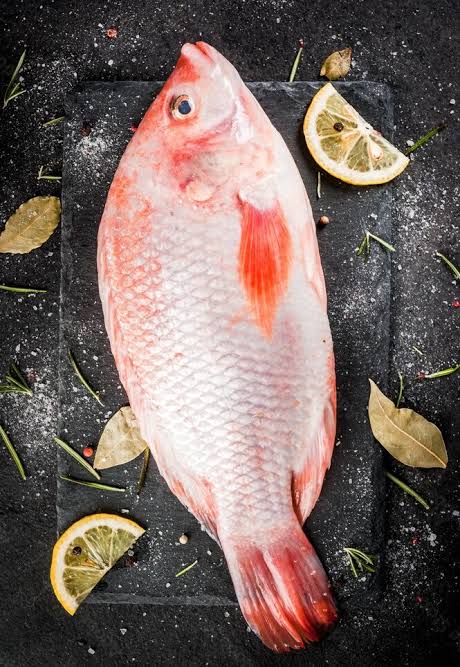
Unlike a single naturally occurring fish species, Red Tilapia refers to a group of red-colored tilapia strains developed through breeding and hybridization.
One of the best-documented origins is Taiwan. In 1968, a reddish mutant of Oreochromis mossambicus was discovered in the Tainan area. Researchers subsequently crossed it with Nile tilapia (Oreochromis niloticus) to develop what became known as Taiwanese Red Tilapia.
Over time, different breeding programs in countries such as Taiwan, Thailand, Israel and the United States produced different Red Tilapia strains. Their genetic backgrounds are therefore not necessarily identical.
This breeding history is one reason why the term “Red Tilapia” does not refer to just one genetically uniform strain.
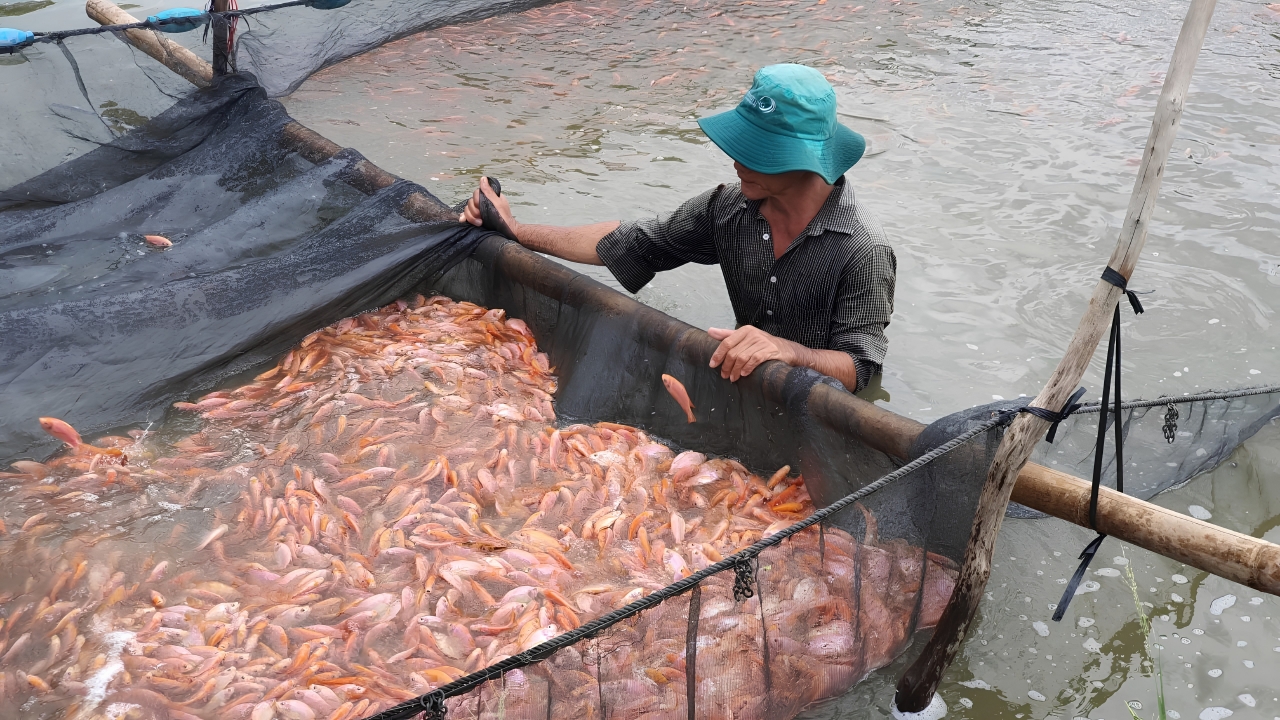
The most obvious difference between Red Tilapia and conventional dark-colored tilapia is its body coloration.
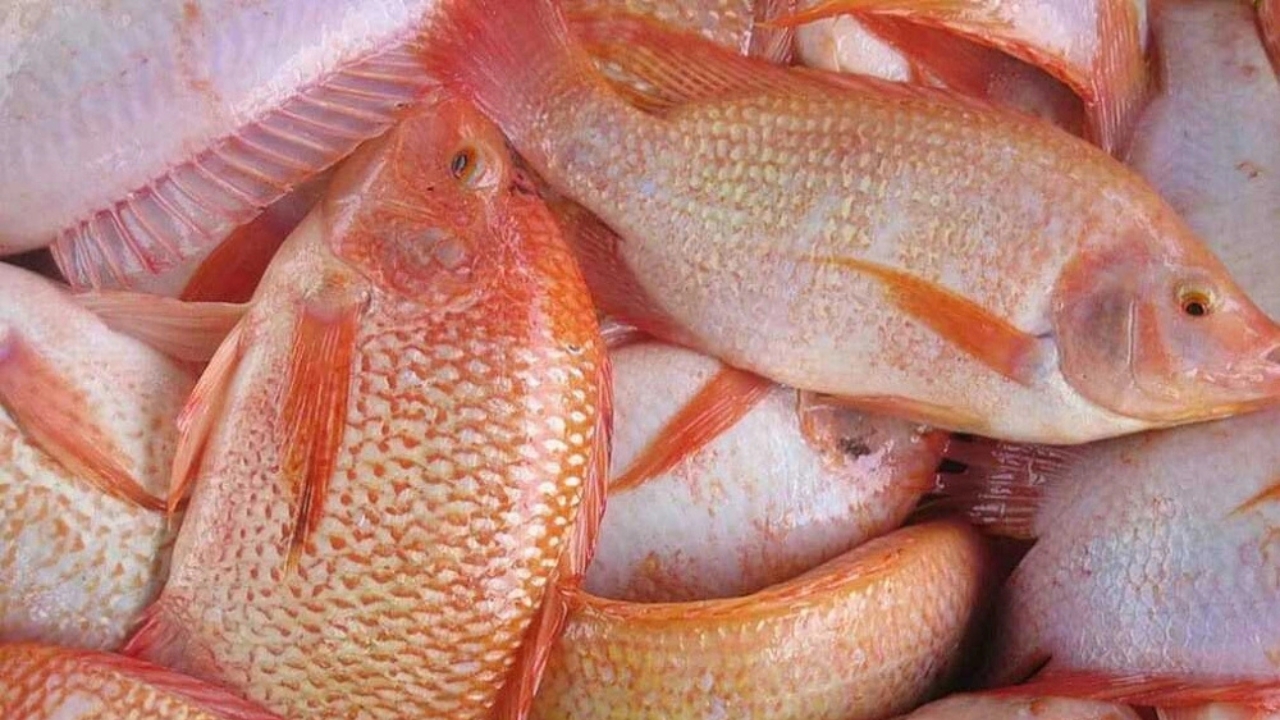
The red or reddish-orange appearance is associated with genetic traits introduced through selective breeding and hybridization. Because color is highly visible to consumers, it has also played a role in the commercial development of Red Tilapia.
Research has shown that the inheritance of red coloration can vary between different Red Tilapia genetic groups. In other words, maintaining a stable red appearance is itself a breeding challenge.
More recent research continues to focus on improving color stability while maintaining commercially important traits such as growth and survival.
For seafood businesses, this is an interesting reminder that the characteristics buyers see on the outside of a fish can be closely connected to years of aquaculture breeding and selection.
One of the reasons tilapia has become a widely traded whitefish is its relatively mild flavor and versatile flesh.
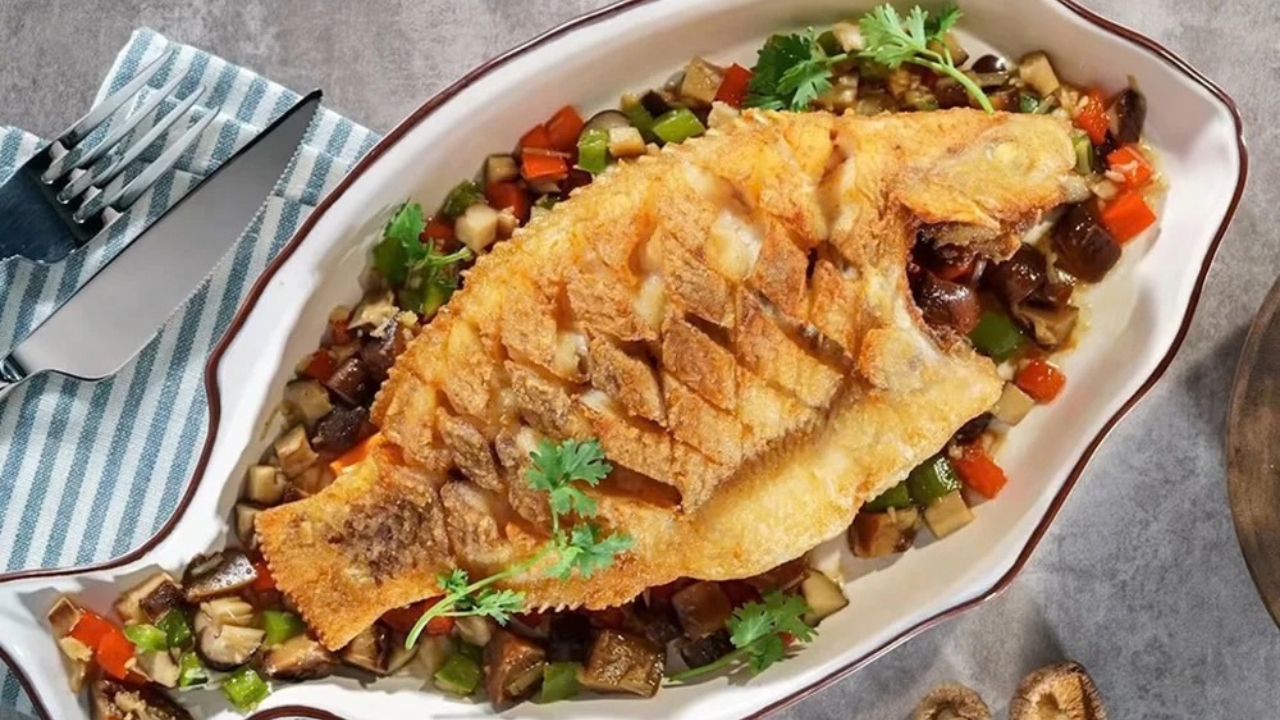
Tilapia is generally characterized by white to pinkish-white flesh, a mild taste and a moderately firm, flaky texture. These characteristics make it suitable for a wide range of cooking methods, including frying, grilling and other prepared-food applications.
For Red Tilapia specifically, product quality still depends on factors such as genetics, feed, farming conditions, water quality and post-harvest handling.
This is particularly important in commercial seafood supply. A consistent product is not determined by species alone — farming practices, processing controls and cold-chain management all contribute to the final product quality.
Tilapia is widely recognized for its adaptability and strong performance in farming environments. Different Red Tilapia strains have also been evaluated for growth and performance under both freshwater and saline conditions.
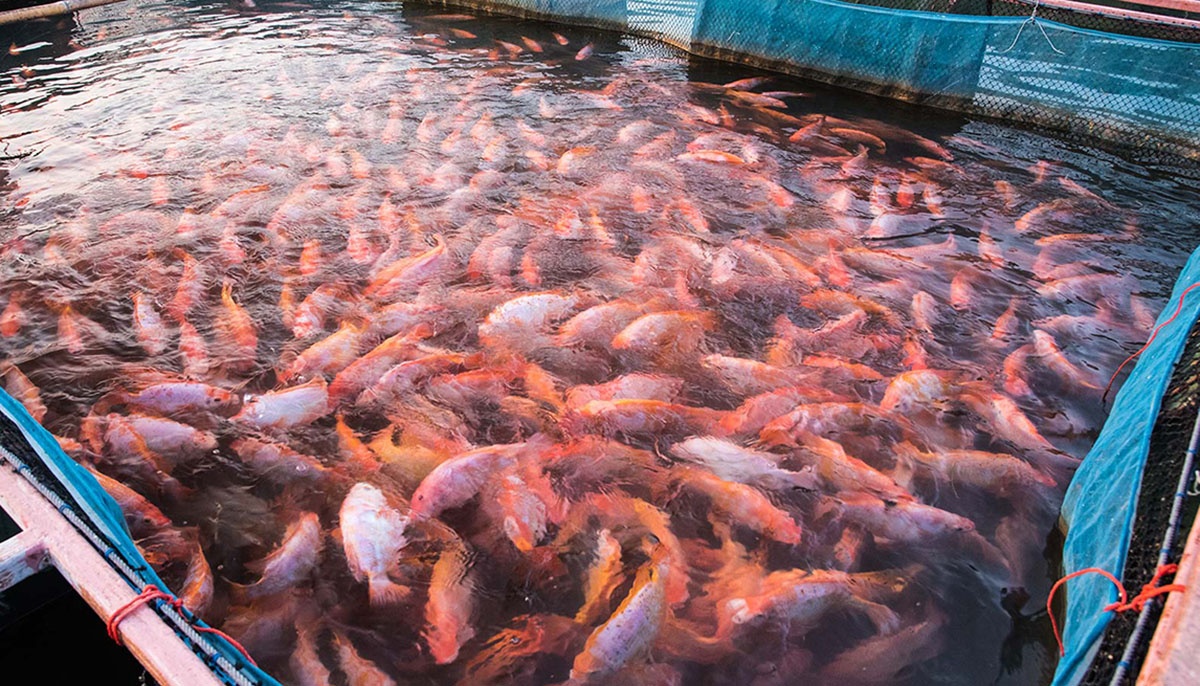
In Vietnam, tilapia farming has traditionally been concentrated in freshwater systems, including ponds, cages, reservoirs and integrated farming models. Research has also explored the performance of selected tilapia strains under brackish-water conditions.
More recent research in Vietnam is continuing to improve Red Tilapia through selective breeding. A study involving a Vietnamese Red Tilapia population found that selection for higher body weight was associated with improvements in body length and survival rate.
For producers and seafood buyers, adaptability matters because stable farming performance can support more predictable supply and commercial planning.
Red Tilapia is no longer only a familiar freshwater fish in local markets. It is also part of a broader tilapia trade that is expanding in Vietnam and internationally.
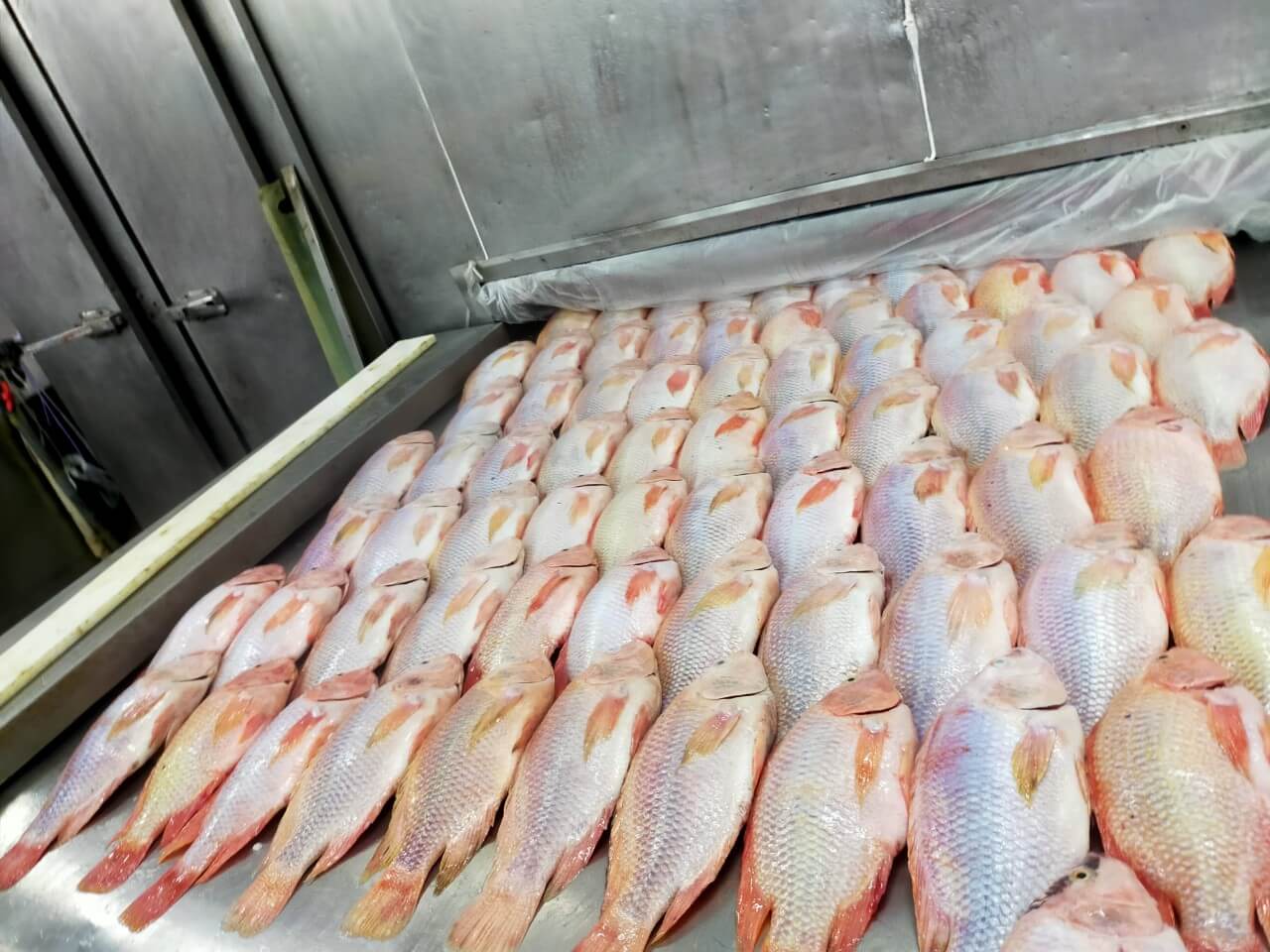
Vietnam's tilapia industry has gained significant momentum in recent years. According to VASEP, Vietnam's tilapia exports reached US$69 million in the first half of 2026, up 67% year on year. VASEP also reported that Vietnam's total tilapia export value reached US$90 million in the first eight months of 2026, representing 43% growth compared with the same period of 2025.
Red Tilapia is part of this broader development. Vietnam is also investing in high-tech Red Tilapia farming, while industry discussions increasingly focus on production scale, food safety, traceability and international competitiveness.
For international buyers, this creates a wider conversation around Vietnamese tilapia — not simply as a farmed fish, but as a developing seafood supply from Vietnam with potential across different markets and product segments.
Red Tilapia is more than a farmed fish with a distinctive appearance. Its adaptability, product characteristics and growing role in aquaculture have made it an increasingly relevant seafood product in international markets.
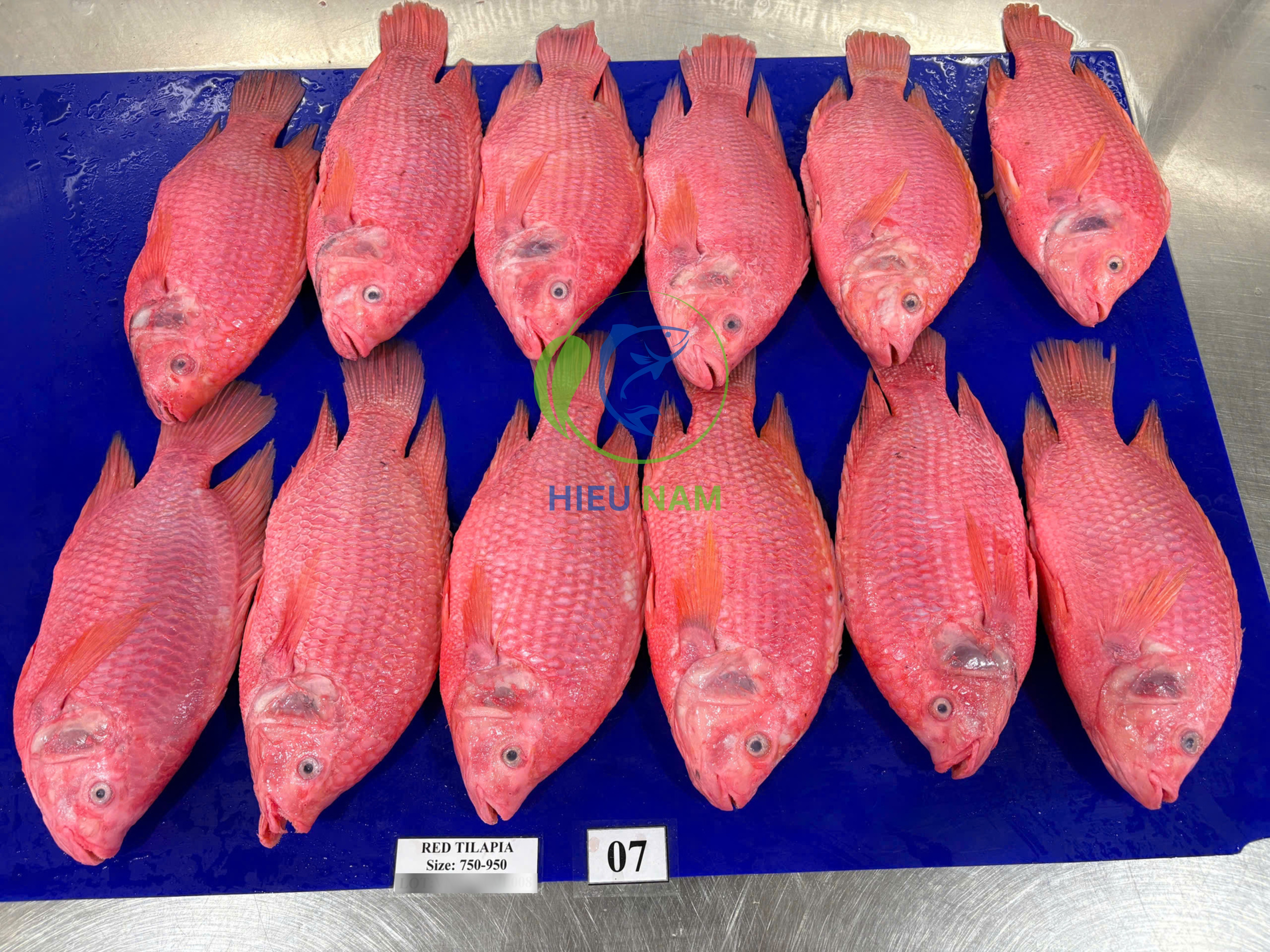
At HIEU NAM INTERNATIONAL, we specialize in supplying and exporting frozen tilapia from Vietnam to international markets, with products developed according to buyers’ requirements for specifications, processing, packing and shipment.
Looking for a reliable tilapia supplier from Vietnam? Let’s talk about your requirements!