
Pangasius fillets are widely used in the global seafood market thanks to their mild flavor, versatile applications, and competitive value. However, not all fillets offer the same level of quality. For seafood importers, distributors, wholesalers, and food service operators, understanding how to assess pangasius fillet quality is essential for maintaining product consistency and meeting customer expectations.
From appearance and odor to texture and cooking performance, several key indicators can help buyers evaluate the quality of pangasius fillets before purchasing.
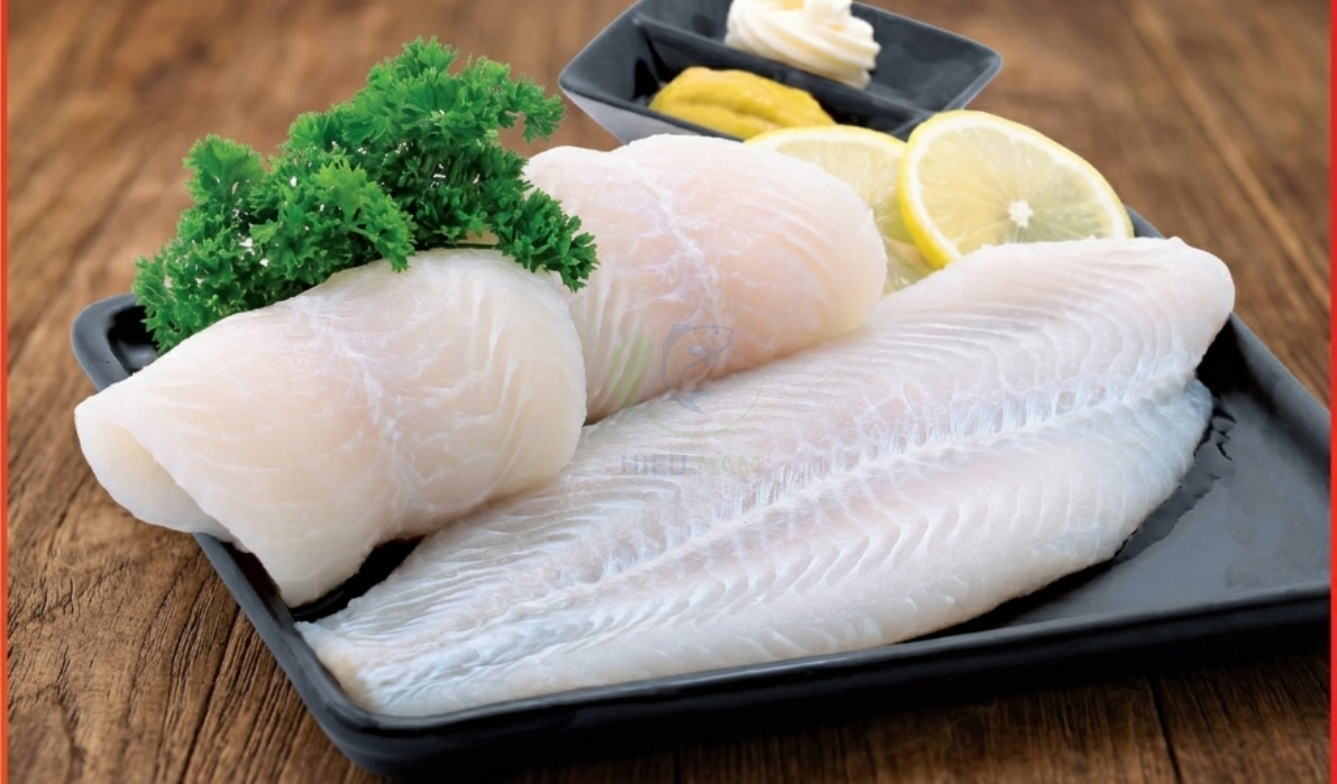
Color is one of the first indicators to consider when evaluating fresh or properly thawed pangasius fillets.
High-quality pangasius fillets typically have a white to off-white appearance, depending on the product specifications and processing conditions. The flesh should look clean and relatively uniform in color.
When inspecting pangasius fillets, look for:
Color should always be assessed alongside other quality indicators, as natural variations can occur between individual fillets and production batches.

Odor provides another useful indication of raw material quality and handling conditions.
Quality pangasius fillets should have a mild, fresh, natural fish aroma. They should not have strong sour, ammonia-like, rancid, or otherwise unpleasant odors.
When checking odor, buyers should consider:
An abnormal odor can signal a potential quality issue. However, odor alone cannot confirm product safety, so proper temperature control and appropriate food safety checks remain essential.
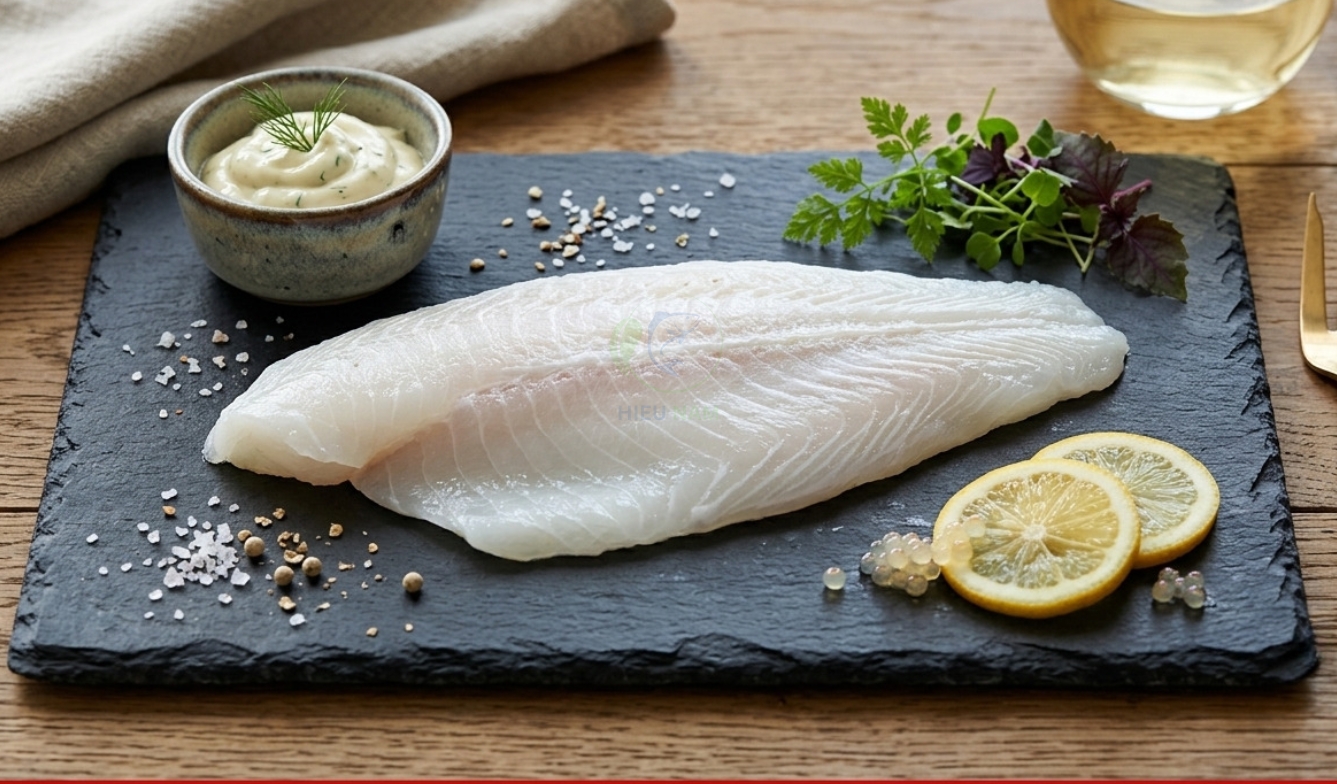
Texture is particularly important for pangasius fillets intended for food service, retail, and further processing.
Good-quality fillets generally have a firm, resilient flesh structure. The muscle fibers should remain reasonably well connected, with minimal gaping, or separation between muscle segments.
Key characteristics to examine include:
Texture can be influenced by raw material quality, processing methods, freezing conditions, storage, and thawing practices. Evaluating these factors together provides a more reliable picture of overall product quality.

Thawing performance is an important consideration when evaluating frozen pangasius fillets.
After thawing under appropriate conditions, quality fillets should retain a reasonably intact structure rather than becoming excessively mushy or slimy. Buyers should also pay attention to drip loss, which refers to the liquid released during thawing.
Excessive drip loss can affect the usable yield and appearance of the product, potentially influencing portioning, preparation, and operational costs.
For a more consistent evaluation, buyers should:
Water content and thawing performance should be evaluated in accordance with the product specification and applicable requirements. A single visual inspection cannot determine the actual moisture content or the amount of added water in a product.
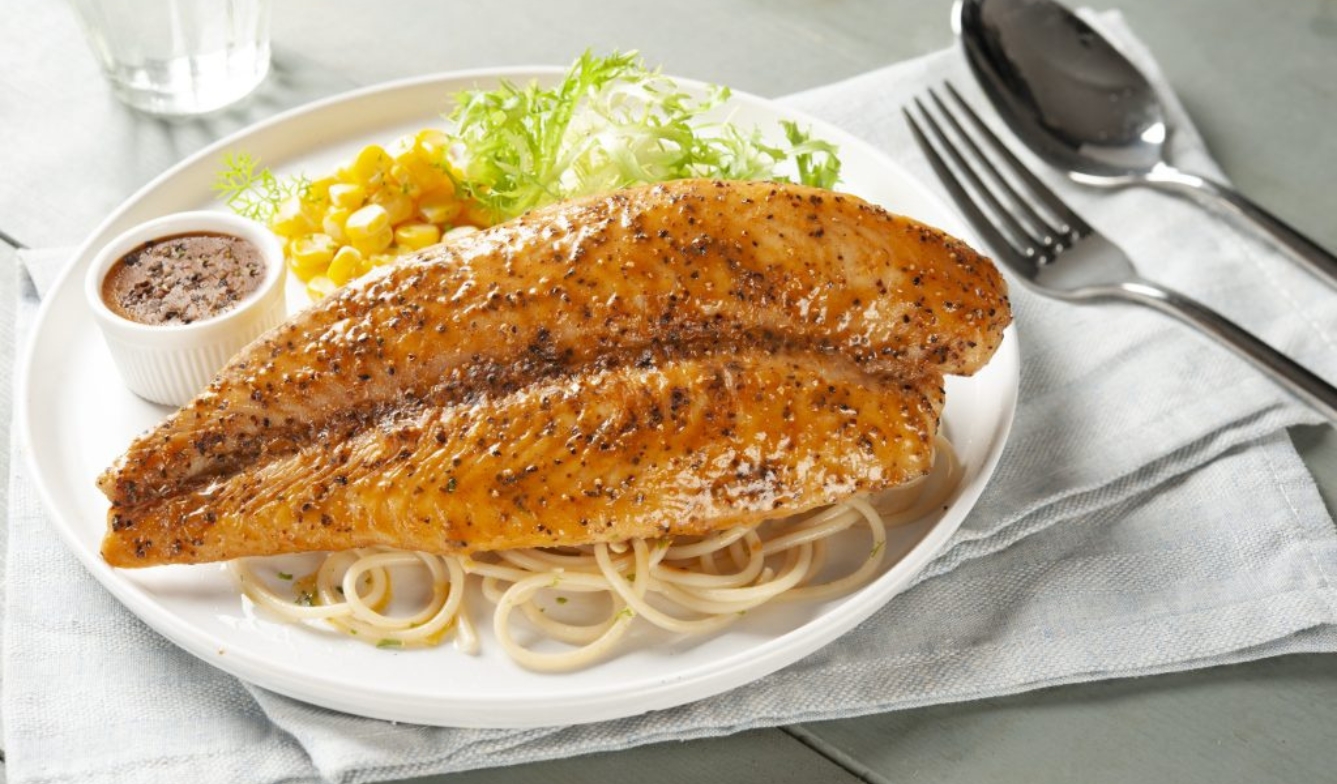
For food service operators, retailers, and seafood processors, the final test of pangasius fillet quality is often how the product performs during cooking.
Quality fillets should retain an appealing appearance and a desirable texture when prepared using the intended cooking method.
Important factors include:
Cooking performance can vary depending on fillet specifications, freezing and storage conditions, thawing methods, portion size, and cooking techniques. Standardized preparation methods help buyers make meaningful comparisons between suppliers and product batches.
For international seafood buyers, product quality involves more than the appearance of an individual fillet. Consistency across shipments is equally important.
Reliable quality control can help businesses:
In addition to visual and sensory inspection, buyers should review product specifications, processing information, packaging details, storage conditions, and relevant food safety documentation when sourcing frozen pangasius fillets.

At HIEU NAM, we understand the importance of product quality and consistency in the international seafood trade. When sourcing pangasius fillets, buyers should consider not only appearance and texture but also product specifications, processing requirements, packaging, and cold-chain management.
Whether you are an importer, distributor, wholesaler, or food service partner, clearly defined quality requirements help establish the foundation for a reliable seafood supply.
Looking for frozen pangasius fillets for your business? Contact Hiếu Nam to discuss your product specifications and sourcing requirements.