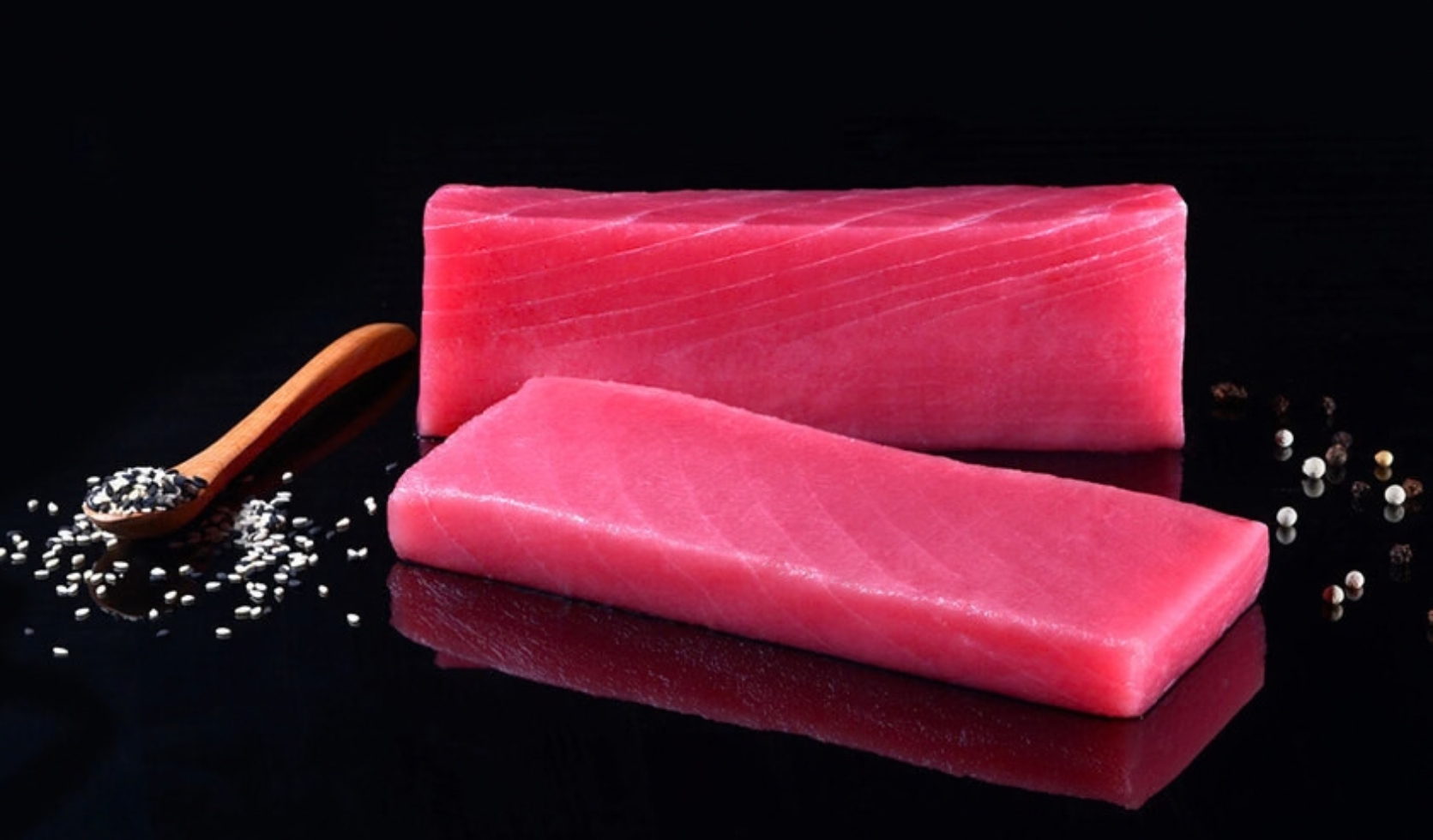
In the seafood business, the same species can be processed into different product forms to meet different market and processing needs. Tuna Saku is a cut form processed into neat, relatively uniform blocks, making it convenient for slicing, portioning and further processing.
For importers and distributors, sourcing Yellowfin Tuna Saku from Vietnam is not only about the product's shape. Cut specifications, level of processing, packaging and the supplier's ability to meet order requirements are also important considerations.
This article explains what Tuna Saku is, how the product is processed, and what buyers should consider when sourcing it from Vietnam.
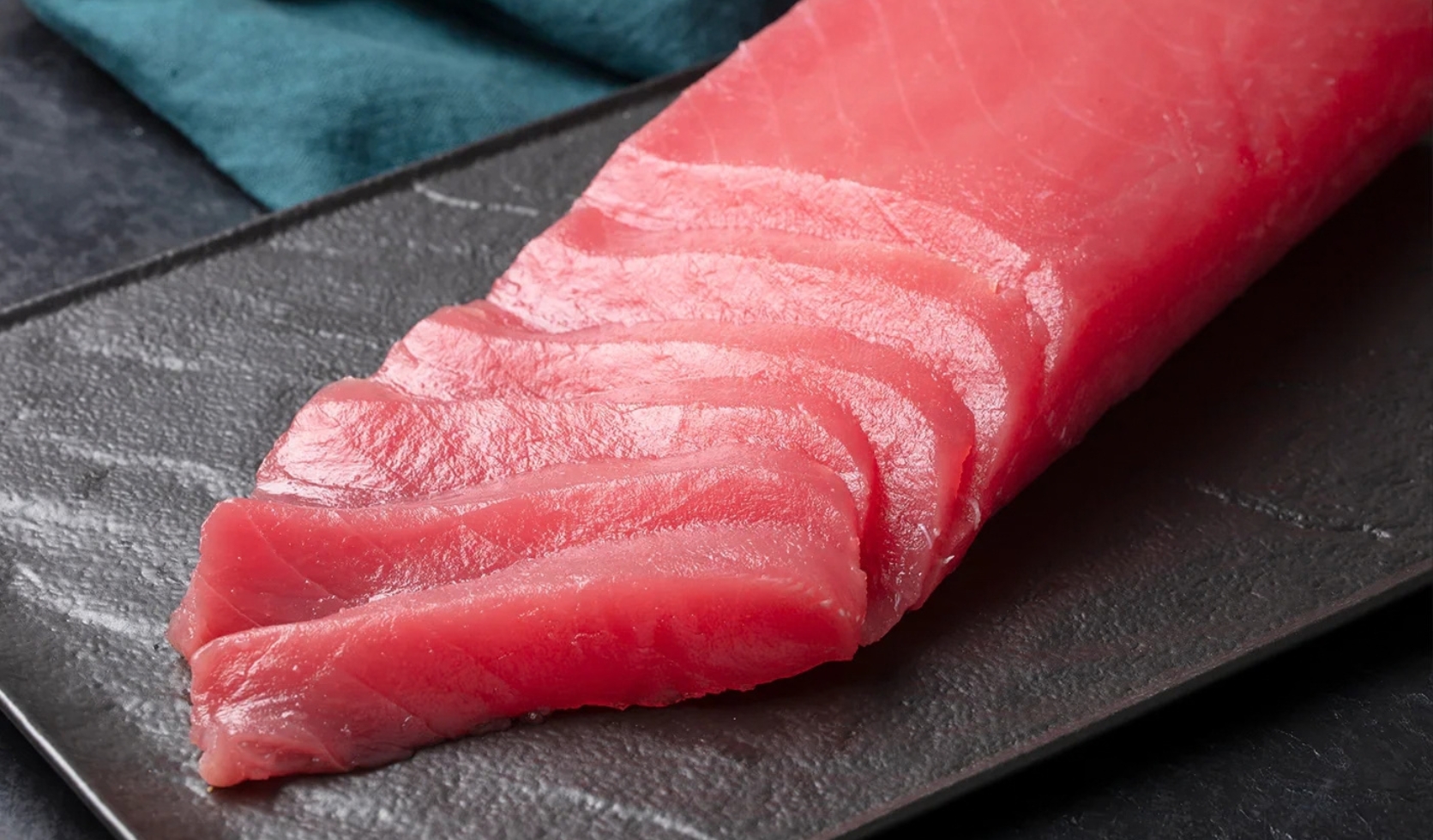
Tuna Saku is a common term for tuna meat cut into relatively uniform blocks, typically processed to be skinless, boneless and neatly shaped according to the product specification.
Saku is not the name of a fish species, but rather a product cut/form.
Among the species that can be processed into Saku is Yellowfin Tuna (Thunnus albacares).
Compared with whole tuna or meat portions that require further preparation, Saku provides a more convenient format for businesses that need to further slice or portion the product.
Common characteristics of Tuna Saku include:
Relatively uniform block shape
Can be supplied skinless and boneless
Convenient for slicing and portioning
Reduces some preparation work at the point of use
Can be adjusted according to individual buyer specifications
However, Saku does not automatically mean that the tuna is suitable for sushi or sashimi in every case. The intended use needs to be determined together with the requirements for raw material, processing, freezing and the standards of the destination market.
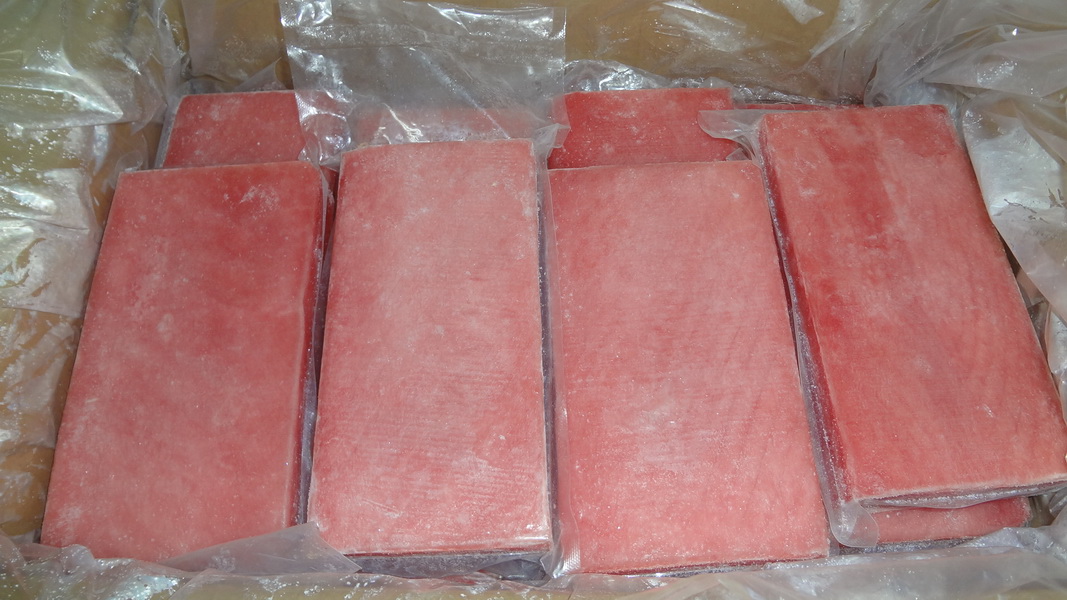
For B2B buyers, the value of Saku is not only in its appearance, but also in its consistency and convenience during use.
Easier Portion Control
Relatively uniform block sizes and weights make it easier for restaurants, foodservice operators and processors to control the amount of product used per portion.
Reduced Preparation
With the product already processed to a defined specification, users can proceed with slicing or portioning without having to carry out extensive initial preparation.
Better Control of Usable Meat
Shaping the tuna into individual blocks allows buyers to define product specifications more clearly from the ordering stage and manage raw material usage during operation.
Suitable for Different Business Models
Depending on the specification and intended use, Tuna Saku can be supplied to seafood distributors, foodservice operators, restaurants and businesses involved in further processing.
Therefore, when sourcing Tuna Saku, buyers should look beyond the fish species and also consider how the product is processed and supplied.
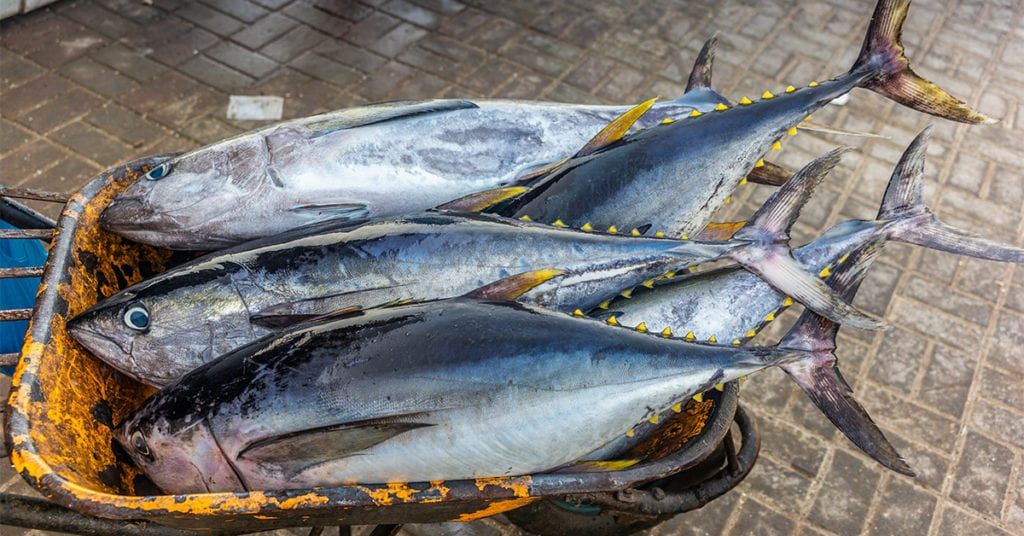
Producing Saku according to an agreed specification involves several processing steps rather than simply cutting the tuna into pieces.
A basic process may include:
Step 1 - Raw Material Selection and Receiving
Yellowfin Tuna is received and assessed according to the product requirements.
The condition of the raw material, size, appearance and storage conditions can all affect the quality of the meat after processing.
Step 2 - Preparation and Trimming
Unwanted portions are removed to prepare the meat for shaping.
For Saku, trimming plays an important role in achieving a neat product shape that meets the agreed specification.
Step 3 - Cutting and Shaping into Saku
The tuna meat is cut into blocks according to the agreed specification.
Depending on the buyer's requirements, specifications may vary in terms of:
Weight per piece
Dimensions
Level of trimming
Meat portion used
Packing format
Step 4 - Finished Product Inspection
After shaping, the finished product is inspected according to the agreed criteria before moving to freezing and packing.
For tuna, controlling time and temperature during handling is an important part of quality control and helps reduce the risk of histamine formation.
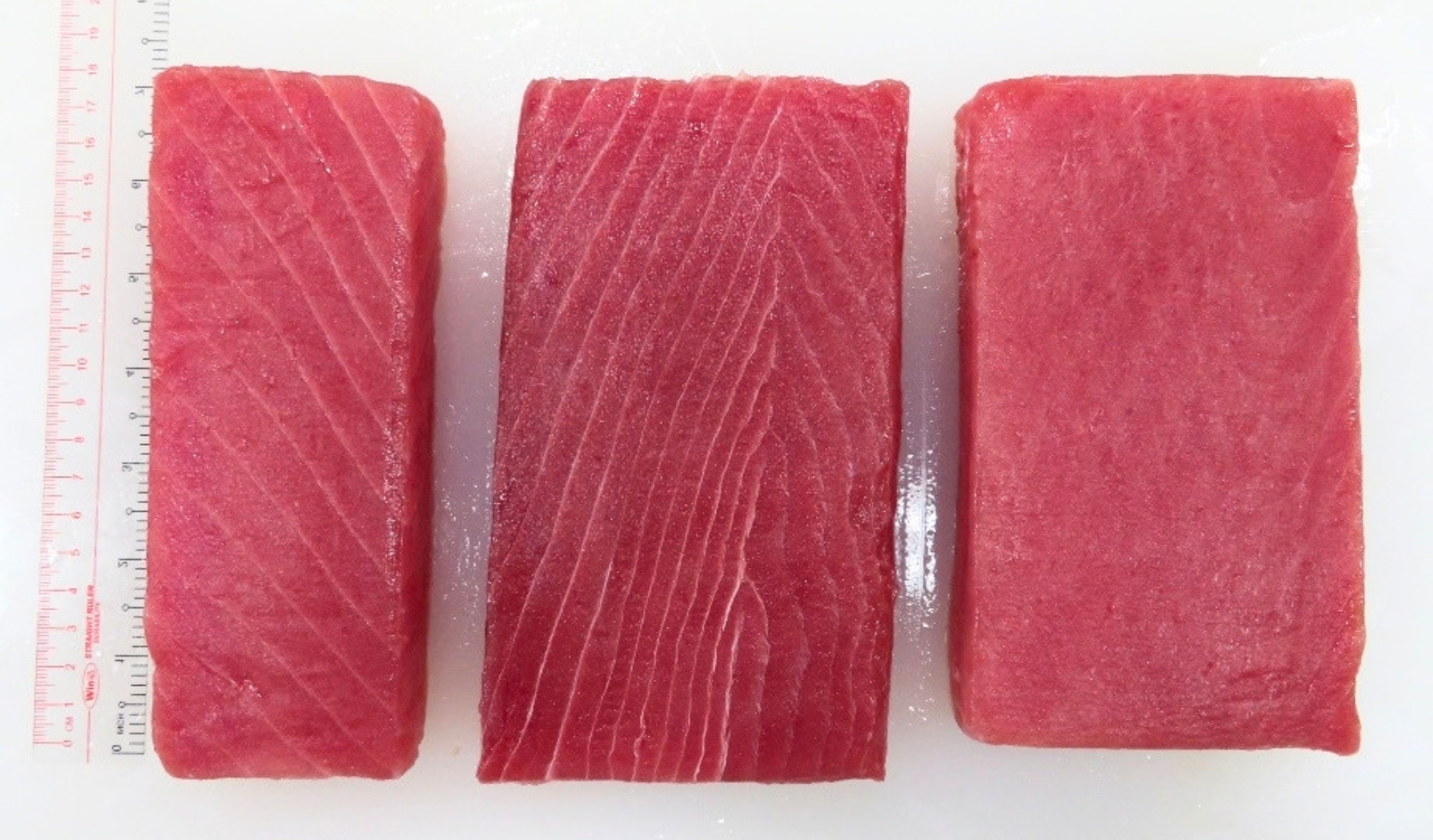
Not all Tuna Saku products have the same specifications. Different markets and buyers may require different specifications depending on the intended use and distribution system.
Some key information to confirm before placing an order includes:
| Item | What to Confirm |
|---|---|
| Species | Yellowfin Tuna (Thunnus albacares) |
| Product Form | Saku / block |
| Processing | Skinless, boneless or as required |
| Weight / Size | According to buyer specification |
| Freezing Method | According to product specification |
| Packing | Vacuum pack or other packing format |
| Glazing | As required, if applicable |
Clearly defining the specification from the beginning helps minimize discrepancies between the buyer's requirements and the actual product, while also allowing the supplier to better prepare for production and loading.
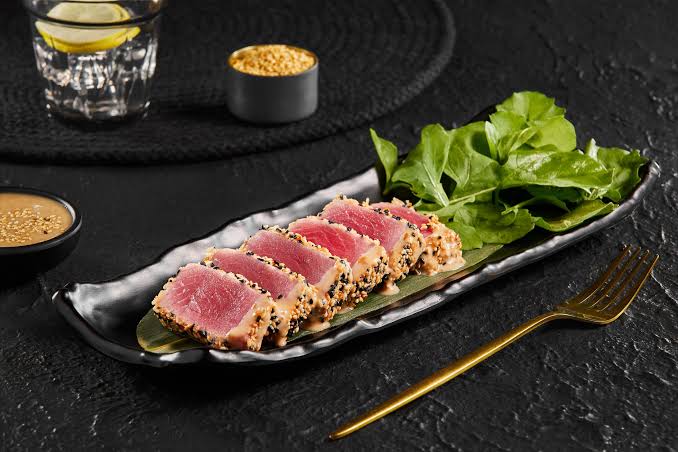
Depending on the agreed specification and intended use, Tuna Saku can be used across different business applications.
Foodservice
The relatively uniform block format makes it easier for chefs and foodservice operators to slice and portion the product according to their requirements.
Seafood Distribution
Saku is a convenient product format for distribution to restaurants, foodservice operators and businesses involved in further processing.
Sushi and Raw Applications
Some Saku products can be developed for applications requiring tuna for raw consumption. However, not all Saku products should automatically be considered suitable for raw consumption.
Buyers should confirm the intended use, processing procedures, freezing requirements and applicable destination-market standards with the supplier before placing an order.
Further Processing
Saku can also serve as an intermediate raw material for businesses that need to further slice, portion or develop value-added seafood products.
When sourcing Tuna Saku, a suitable supplier needs to offer more than just the product itself. The supplier should also be able to coordinate specifications, packing requirements, quantities and destination-market requirements.
For international buyers, these details need to be clearly defined from the beginning so that the product can fit the intended application and distribution system after import.
HIEU NAM INTERNATIONAL supplies frozen seafood products from Vietnam to international B2B buyers, with the ability to coordinate requirements related to product specifications, packing and order quantities.
If your business is looking for a source of Yellowfin Tuna Saku from Vietnam, send us your specifications, packing requirements and expected volume. The HIEU NAM team will work with you to discuss a suitable supply option.
HIEU NAM INTERNATIONAL CO., LTD.
Website: hieunam.vn
Email: export@hieunam.vn
WhatsApp: +84 55 978 6740