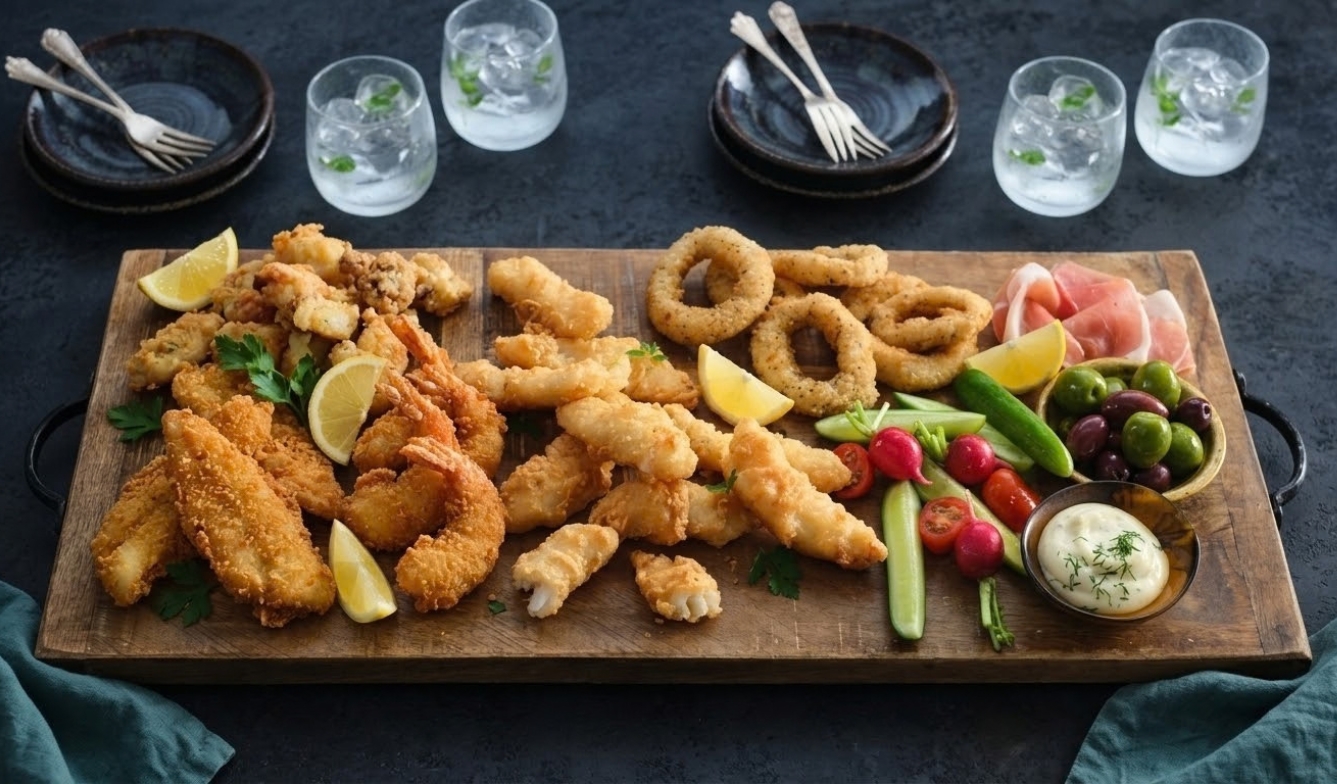
The year-end holiday season is a key period for importers, distributors, retailers, and foodservice businesses to review their product portfolios and prepare for seasonal demand. Alongside conventional frozen seafood products, value-added seafood offers additional opportunities to expand product ranges, diversify product formats, and meet demand for convenient food preparation.
What role can value-added seafood play in holiday season sourcing, and what should B2B buyers consider when sourcing these products from Vietnam?
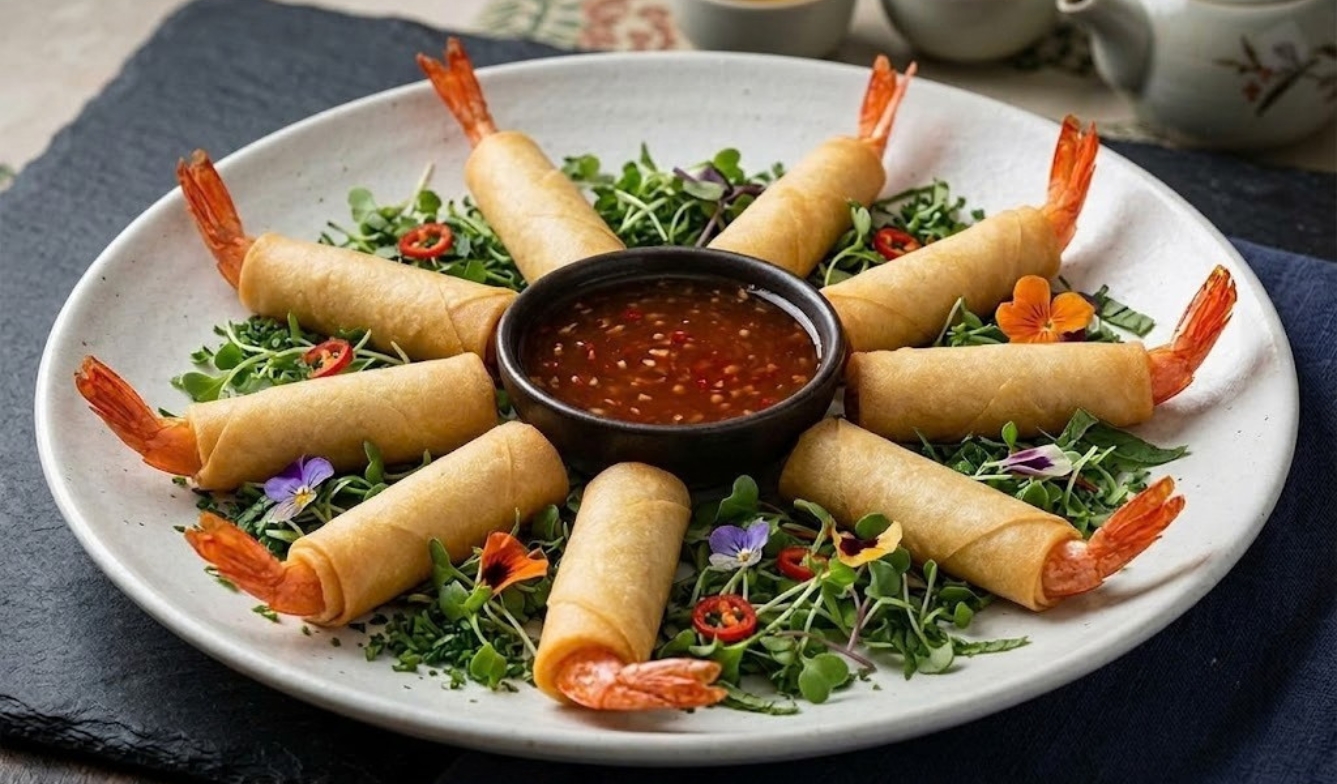
Value-added seafood refers to products that undergo additional handling or processing beyond the original raw seafood material to create formats better suited to specific applications, distribution channels, or customer requirements.
Depending on the species and product concept, processing may include cleaning, cutting, marinating, breading, mixing, or preparing seafood into products that require less preparation before use.
Common product categories include:
Breaded seafood: Breaded shrimp, breaded fish fillets, and similar products for frozen retail and foodservice applications.
Marinated seafood: Fish or shrimp prepared with seasonings according to specific product formulations and requirements.
Portion-controlled seafood: Fillets, fish steaks, or seafood portions cut to defined dimensions to support portion control and consistent preparation.
Seafood mixes: Combinations of seafood species or ingredients prepared according to specific formulations and intended applications.
Convenience seafood products: Seafood that has undergone partial or complete preparation, depending on the product design and cooking instructions.
The holiday season presents an opportunity for businesses to review their product portfolios based on seasonal consumption patterns and sales plans across different distribution channels. In this context, value-added seafood can complement conventional frozen seafood offerings.
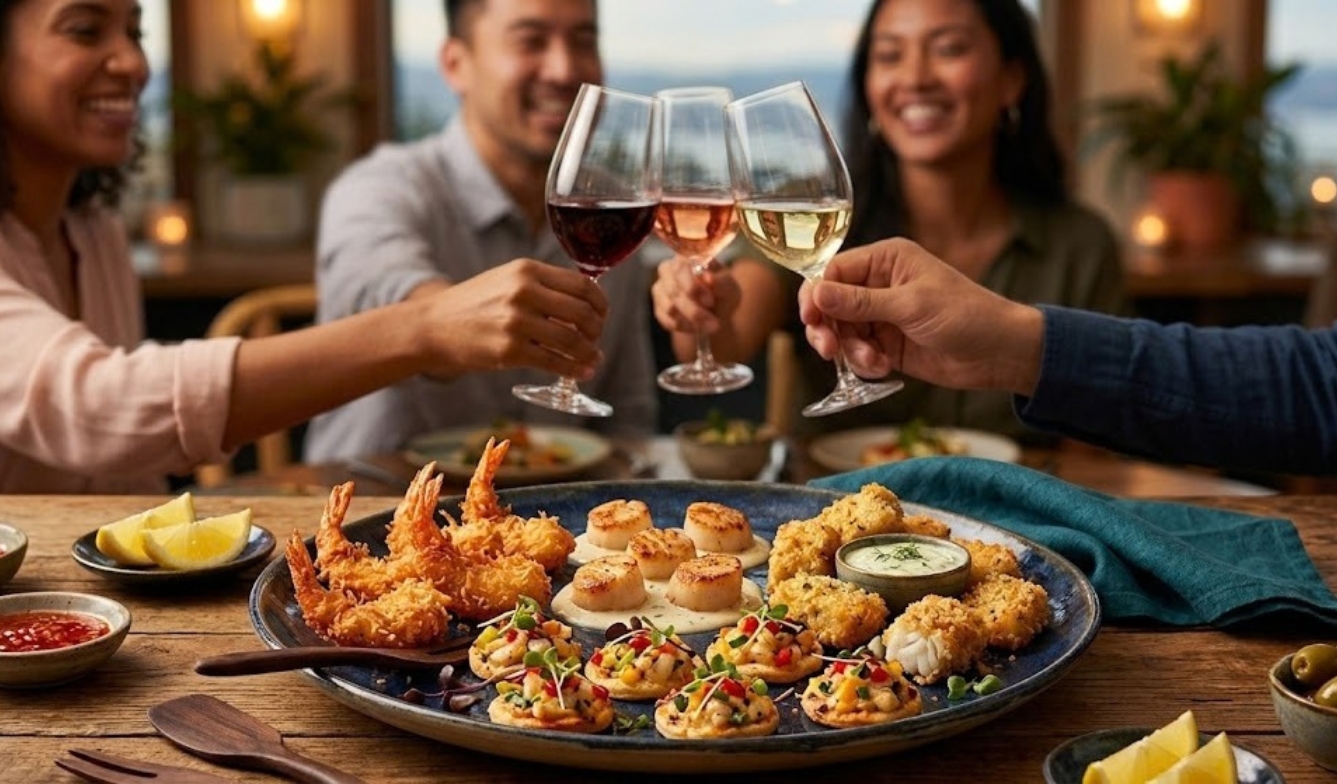
Year-end holidays are often associated with family meals, group gatherings, promotional campaigns, and foodservice activities at restaurants and hotels.
Depending on the target market, businesses may consider adding breaded shrimp, portion-controlled fish fillets, or seafood mixes to their seasonal product portfolios. These options can help distributors serve different market segments rather than relying solely on basic seafood ingredients.
For importers, product selection should reflect local consumption habits, target price points, distribution capabilities, and customer requirements in the destination market.
Convenience is an important consideration in the food industry, particularly for products intended for retail and foodservice applications. A 2026 industry report by SeafoodSource also highlights opportunities for value-added seafood amid buyer interest in convenience and product value.
When appropriately developed, these products can support applications such as quick home preparation, portion-based serving, and food preparation in commercial kitchens.
Each distribution channel has distinct requirements for seafood products.
Importers and distributors: Focus on sales potential, supply consistency, purchasing costs, and compatibility with existing product portfolios.
Supermarkets and retailers: May prioritize packaging specifications, labeling information, portion sizes, and product presentation.
Restaurants, hotels, and foodservice businesses: Often require products suited to kitchen workflows, portioning needs, and service schedules.
Food manufacturers: May seek raw materials or semi-processed products that meet specific formulations, technical specifications, and production requirements.
Identifying the target distribution channel early helps buyers select suitable product specifications rather than relying on a one-size-fits-all product range.
Product selection should reflect actual market demand, processing capabilities, and target price segments. The following categories are worth considering when B2B businesses develop their seasonal seafood portfolios.
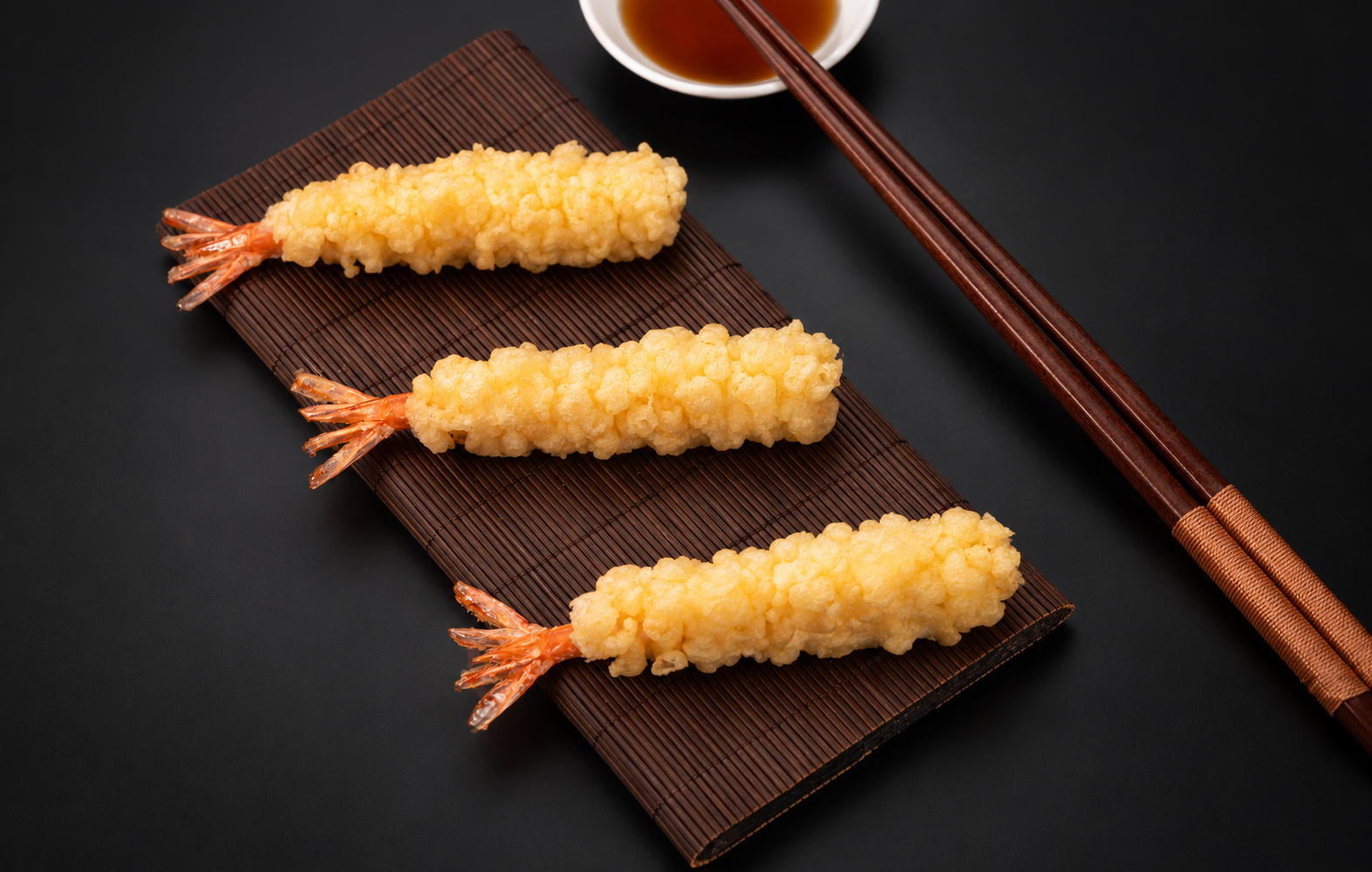
Shrimp is available in various product formats, ranging from conventional frozen raw shrimp to peeled shrimp, peeled and deveined shrimp, and more extensively processed products.
For value-added portfolios, breaded shrimp and portion-ready shrimp products may be worth exploring for retail and foodservice channels. When sourcing, buyers should clearly specify the product format, shrimp size, ingredient ratios, breading coverage, freezing method, and packaging requirements.
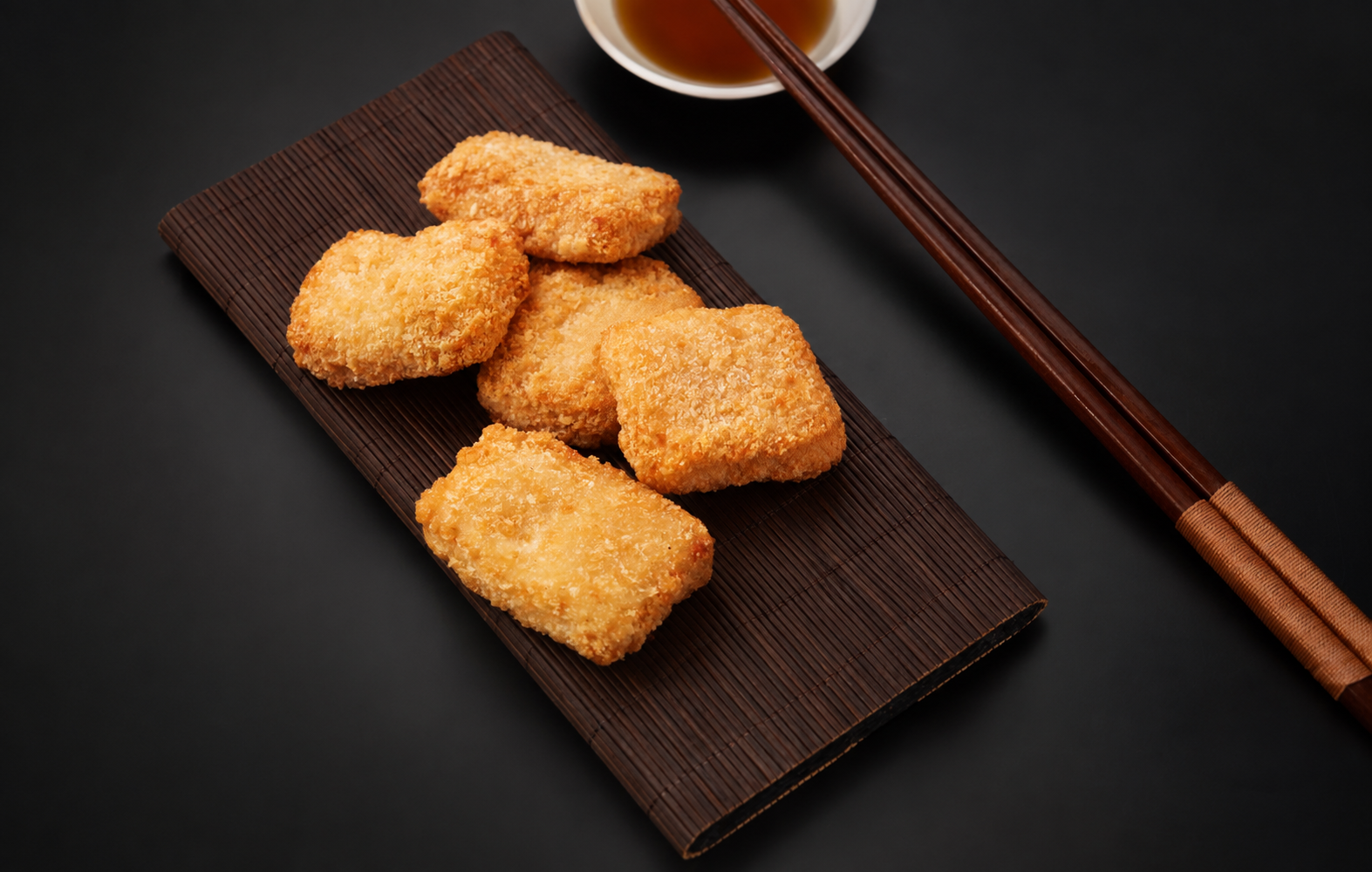
Fish fillets, fish steaks, and seafood portions cut to defined specifications can serve a range of food preparation applications.
For B2B buyers, key considerations include fish species, size, thickness, trimming requirements, skin and bone specifications, glazing percentage, and allowable tolerances. These parameters should be agreed upon before ordering to minimize discrepancies between the delivered products and the buyer's specifications.
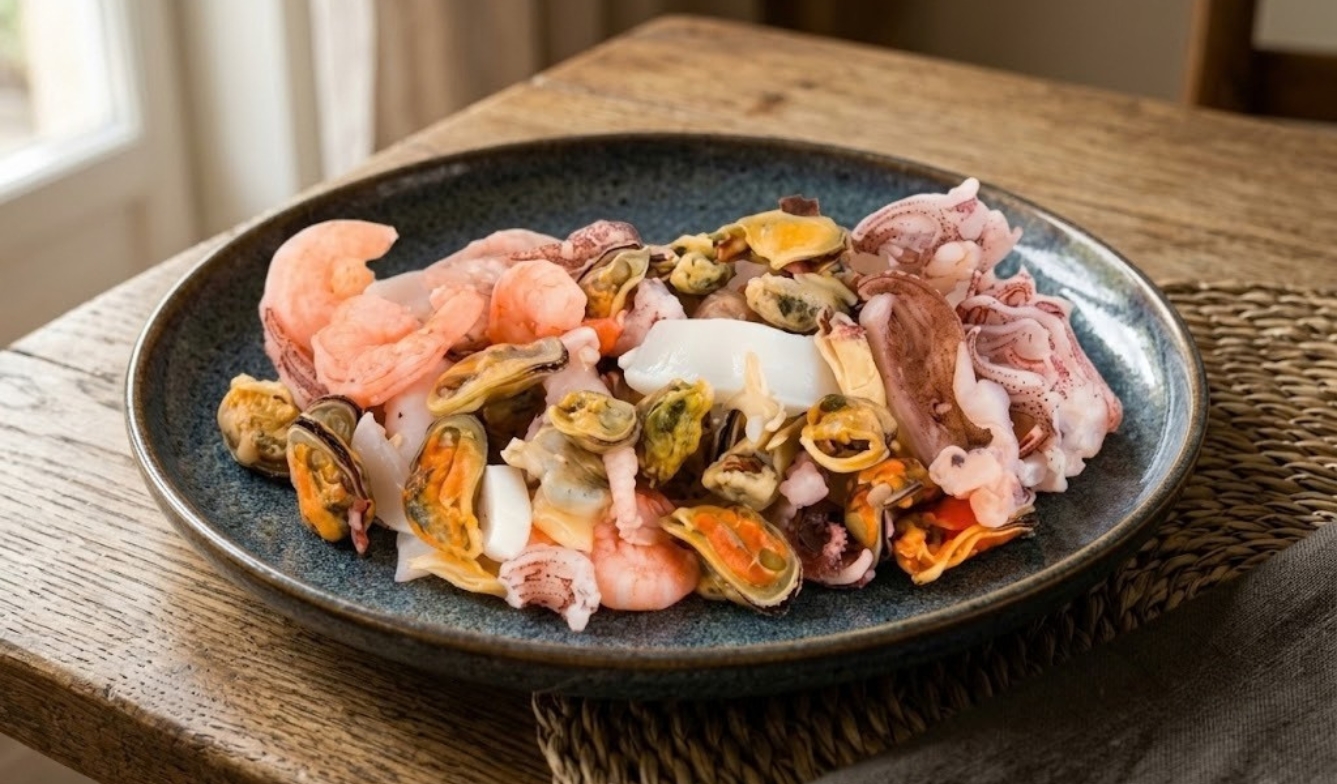
Frozen seafood mixes can combine different ingredients according to product formulations and target markets. These products may be used in noodles, rice dishes, soups, stir-fries, and foodservice menus.
When sourcing seafood mixes, importers should clarify the species composition, percentage of each ingredient, size specifications, raw or cooked status, allergen requirements, and labeling information.
These examples represent product categories available in the broader market. Actual product availability should be confirmed with each manufacturer or exporter based on its processing capabilities and supply capacity.
For importers and distributors, early sourcing planning helps align product selection, technical specifications, and delivery schedules with seasonal market demand.
HIEU NAM INTERNATIONAL CO., LTD. is a Vietnam-based exporter of frozen seafood. Buyers can discuss product options and order requirements with HIEU NAM, including:
Product types and sizes aligned with target market needs.
Processing and packaging specifications, including relevant technical requirements.
Order volumes and delivery schedules based on purchasing plans.
Import market requirements and relevant documentation.
With clear order specifications, both parties can assess feasibility, discuss suitable supply options, and develop quotations based on the actual requirements of each order.
Value-added seafood offers additional options for businesses looking to diversify their product portfolios for the year-end holiday season. However, successful sourcing requires buyers to balance market demand, product characteristics, purchasing costs, and supplier capabilities.
For B2B orders, early planning and clear technical specifications are essential to coordinating sourcing, production, and delivery more effectively.
Looking for a frozen seafood supplier from Vietnam for the holiday season?
Contact HIEU NAM to discuss product options, specifications, and your business's supply requirements.
Website: https://www.hieunam.vn/
Email: export@hieunam.vn
WhatsApp: +84 55 978 6740